Modern Technologies and Practices in ENT (Otorhinolaryngology) Surgery in Moscow
Moscow combines high-volume clinical experience with rapid adoption of international ENT technologies. From minimally invasive sinus procedures to advanced hearing implants and image-guided skull base surgery, patients in the Russian capital increasingly benefit from contemporary techniques used worldwide. This overview explains the main technologies and practices you’ll encounter in Moscow, how they change care, what to expect as a patient, and how to choose the right clinic or surgeon.
Key modern technologies and techniques
— Endoscopic sinus surgery (ESS)
— Minimally invasive transnasal access using high-definition endoscopes.
— Reduced bleeding, faster recovery, better visualization of sinuses and skull base.
— Image-guided surgery / surgical navigation
— CT/MRI-based real-time navigation improves accuracy in complex sinus and skull-base procedures.
— Particularly valuable for revision surgery, anatomic variants, and tumor resections.
— Balloon sinuplasty
— Dilation of sinus ostia using a balloon catheter for selected chronic rhinosinusitis cases.
— Shorter recovery and less tissue removal compared with traditional ESS.
— Transoral robotic surgery (TORS) and minimally invasive oncologic approaches
— Robot-assisted or endoscopic approaches for oropharyngeal and selected laryngeal tumors reduce morbidity versus open surgery.
— Enables organ-preserving strategies combined with adjuvant therapies.
— Advanced microsurgery for middle ear and cochlear implants
— High-precision microsurgical techniques for tympanoplasty, ossiculoplasty, and cochlear implantation.
— Expanded indications and improved outcomes with modern implant systems and programming.
— Bone-anchored hearing systems (BAHS) and implantable middle‑ear devices
— Solutions for mixed/conductive hearing loss and single-sided deafness.
— Growing availability in specialized Moscow centers.
— Lasers and coblation technology
— Precise tissue cutting and coagulation for ENT procedures with reduced thermal damage.
— Coblation used in tonsillectomy and turbinate reduction for less postoperative pain.
— Intraoperative imaging and monitoring
— Intraoperative CT, fluoroscopy, and neuromonitoring for skull-base surgery and CN monitoring.
— Improved safety in complex resections.
— 3D planning and printing
— Preoperative 3D models for complex reconstructions and implant shaping.
— Useful in facial trauma, reconstructive and oncologic cases.
— Telemedicine and digital audiology
— Remote consultations, follow-ups, and remote programming/adjustments for hearing devices.
— Convenient for international patients and busy Moscow residents.
— AI and digital diagnostics (emerging)
— AI-assisted image analysis, voice and hearing screening tools are being piloted and integrated into diagnostic workflows.
How these are applied in Moscow
— Major university hospitals and specialized ENT centers in Moscow tend to lead adoption: they combine diagnostics (CT/MRI, endoscopy, audiology) with multidisciplinary cancer boards, cochlear implant programs and research activity.
— Private clinics in the city center often invest in high-end endoscopic towers, navigation systems and hearing implant services, offering fast scheduling and amenities for international patients.
— Collaborative care is common: ENT surgeons work with radiologists, neurosurgeons, oncologists, audiologists and speech therapists for complex cases.
— Training and conferences in Moscow support dissemination of new techniques; many surgeons receive training abroad and through international collaborations.
What a patient can expect in Moscow
— Preoperative workup
— High-resolution imaging (CT/MRI), nasal endoscopy, audiometry, vestibular testing, allergy testing and targeted lab work.
— Multidisciplinary case reviews for tumors or complex reconstructions.
— Procedure and anesthesia
— Many endoscopic and ear procedures are day-case or short-stay under general or local anesthesia with sedation.
— Complex skull-base or oncologic procedures require specialized operating rooms and longer hospital stays.
— Recovery and rehabilitation
— Rapid recovery protocols for minimally invasive procedures.
— Audiology follow-up, hearing rehabilitation, speech therapy or nasal care (saline irrigations) as needed.
— Costs and access
— Public hospitals offer treatment under state programs; private clinics provide faster access and enhanced comfort at higher cost.
— Many centers in Moscow accept international patients and provide language support.
How to choose a clinic or surgeon in Moscow
Ask these practical questions before committing:
— What is the surgeon’s experience with this specific procedure and the annual case volume?
— Is the center equipped with image-guided navigation / high-definition endoscopy / intraoperative monitoring for complex cases?
— What is the multidisciplinary support (audiology, oncology, neurosurgery, speech therapy)?
— Can I see before-and-after/audit outcomes, complication rates or patient testimonials?
— What is the postoperative rehabilitation and follow-up plan (audiology programming, speech therapy, nasal care)?
— Are language services or international patient coordinators available?
— What are expected costs, and is there an estimate for the total care pathway (pre-op tests, surgery, implants, follow-ups)?
Benefits and risks
— Benefits
— Less invasive procedures, faster recovery, improved functional outcomes (hearing, breathing, swallowing).
— Better precision in tumor and skull-base surgery, leading to reduced complications.
— Expanded options for patients previously considered inoperable or poor candidates.
— Risks
— Advanced technologies reduce but do not eliminate risks such as bleeding, infection, nerve injury or persistent symptoms.
— Outcomes depend on surgeon skill, case selection, and postoperative care.
— Cost can be significant for implants and private care.
Future directions relevant to Moscow
— Wider integration of AI in diagnostics and surgical planning.
— Broader adoption of robotic and endoscopic techniques for head and neck oncology.
— Improved implantable hearing technologies and expanded cochlear implant candidacy.
— Growth in tele-audiology and remote device management.
— Research into regenerative techniques for middle ear and laryngeal reconstruction.
Final tips for patients
— Prioritize surgeon experience and multidisciplinary support over marketing.
— Request clear explanations of alternatives, expected outcomes, and a written plan for postoperative rehabilitation.
— If considering implants (cochlear, BAHS), confirm long-term follow-up and programming services.
— Use second opinions for major or complex procedures—Moscow has multiple high-quality centers.
Moscow’s ENT landscape offers modern solutions comparable to global standards. With careful selection of surgeon and center, patients can access minimally invasive techniques, state-of-the-art implants and coordinated multidisciplinary care that optimize both
Похожие записи
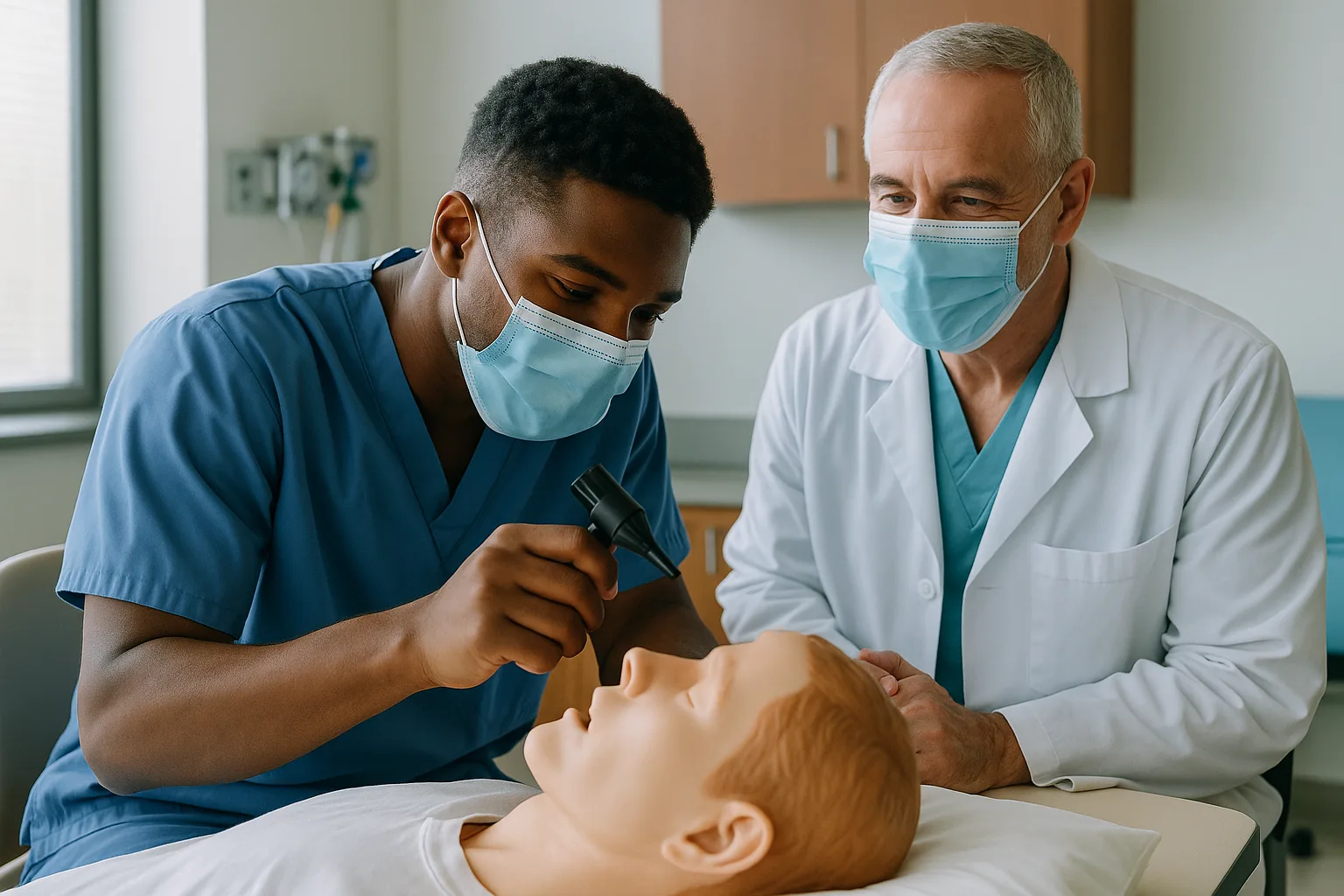
Современные технологии в оториноларингологии: как 3D-печать меняет хирургию уха
В мире оториноларингологии (ЛОР) происходит множество изменений, которые зачастую остаются…
Микротопография 3D‑имплантов и слизистая носа: неожиданный фактор успеха в современной лор‑хирургии
Я случайно выбрал число 73. Это привело к образу клинического…
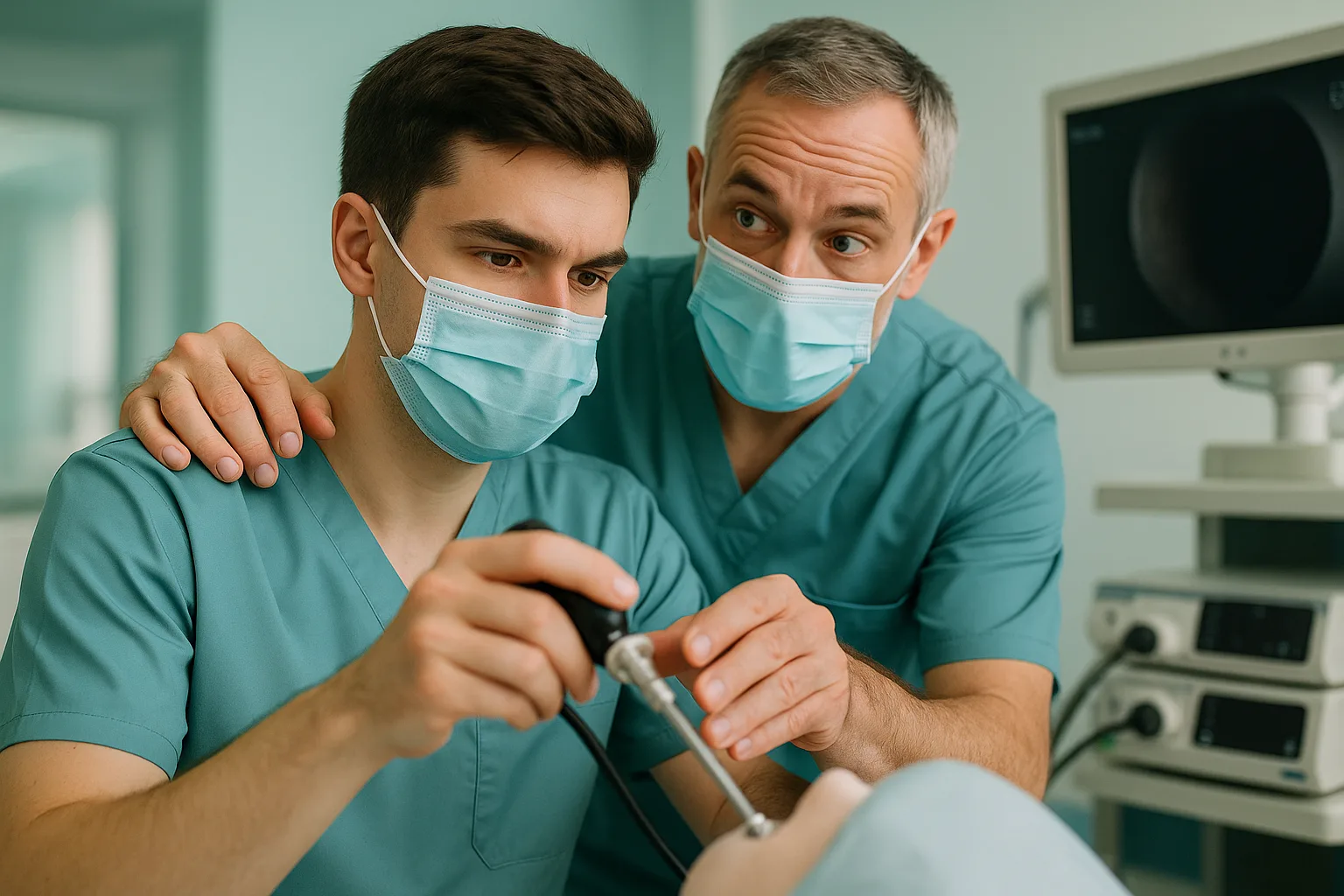
Инновационные технологии в хирургии уха, горла и носа: бессонница и ее влияние на современные подходы к лечению
Ни для кого не секрет, что бессонница — это проблема,…