Introduction
Advances in technology and clinical practice have transformed otorhinolaryngology (ENT) over the past decade. In Moscow, both public hospitals and private clinics are increasingly adopting minimally invasive techniques, digital diagnostics, and multidisciplinary care models. The result: shorter hospital stays, faster recovery, improved functional outcomes and expanding treatment options for complex head and neck conditions.
Key technologies shaping modern ENT
— Endoscopic and minimally invasive surgery
— High-definition rigid and flexible endoscopes for sinus, skull-base and laryngeal procedures.
— Powered microdebriders for precise tissue removal and reduced trauma.
— Balloon sinuplasty for selected chronic rhinosinusitis patients.
— Image-guided and navigation systems
— Intraoperative navigation based on CT/MRI for complex sinus and skull-base surgery, improving safety near critical structures.
— Cone-beam CT for low-dose, high-resolution imaging in-office and intraoperatively.
— Laser, plasma and energy-based devices
— CO2 and KTP lasers for precise mucosal and laryngeal surgery.
— Coblation and cold plasma technologies for tonsillectomy, turbinate reduction and adenoidectomy with less postoperative pain and bleeding.
— Robotic and transoral techniques
— Transoral robotic surgery (TORS) for select oropharyngeal and supraglottic tumors, allowing en bloc resection with less morbidity.
— Robotic assistance increasingly used for complex reconstructions and access in deep anatomical regions.
— Advanced audiology and implantable devices
— Wide adoption of cochlear implants, bone-anchored hearing systems and active middle ear implants.
— Improved electrode designs and signal-processing algorithms for speech outcomes and MRI compatibility.
— Intraoperative neuromonitoring
— Continuous facial and vagus nerve monitoring in parotid, skull-base and thyroid-related ENT surgeries to reduce nerve injury risk.
— 3D planning and additive manufacturing
— 3D-printed surgical guides, patient-specific implants and anatomical models for preoperative planning and education.
— Digital diagnostics and office-based tools
— High-resolution video laryngoscopy, stroboscopy, dynamic endoscopy, and objective voice assessment.
— Tympanometry, otoacoustic emissions, and automated audiometry in ambulatory settings.
— Telemedicine and remote care
— Pre- and postoperative consultations, remote hearing-aid programming and follow-up monitoring supported by telehealth platforms.
Contemporary clinical practices and protocols
— Multidisciplinary skull-base and head & neck teams
— Combined planning with neurosurgery, radiology, oncology and reconstructive surgery for complex tumors and defects.
— Enhanced Recovery After Surgery (ERAS)
— Protocols to reduce perioperative fasting, optimize analgesia, facilitate early mobilization and shorten hospitalization.
— Infection control and aerosol mitigation
— COVID-19 accelerated adoption of aerosol-minimizing techniques, PPE protocols and preoperative testing to protect staff and patients.
— Patient-centered pathways
— Shared decision-making, prehabilitation and structured rehabilitation (speech, swallowing, vestibular) are integrated into care plans.
Training, simulation and quality assurance
— Simulation-based training using virtual reality, 3D models and cadaver labs improves surgeon skills in endoscopic and robotic procedures.
— Continuous professional development, multidisciplinary morbidity and mortality conferences, and registries help monitor outcomes and refine standards.
— Leading Moscow centers increasingly participate in international training courses and collaborative research.
Accessibility in Moscow: public vs private landscape
— Major public hospitals and university clinics in Moscow provide a broad range of advanced ENT services, often with multidisciplinary teams.
— Private clinics offer rapid access, bundled care packages, and some niche technologies or single-specialty expertise.
— When choosing care in Moscow, consider: facility accreditation, surgeon experience, availability of multidisciplinary support, published outcomes and language support for international patients.
Limitations and practical considerations
— Not every technology is appropriate for every patient; case selection is critical.
— Cost and reimbursement variability affect access to implants and cutting-edge devices.
— Regulatory approvals and local availability can lag behind global innovation cycles; verify device availability and surgeon experience.
Emerging trends to watch
— Artificial intelligence and machine learning for automated image analysis, triage and surgical planning.
— Augmented reality overlays in the OR to enhance orientation in skull-base and temporal bone surgery.
— Personalized medicine: patient-specific implants, biologic scaffolds and regenerative approaches for middle-ear and airway reconstruction.
— Remote monitoring of implants and further advances in tele-audiology and home-based rehabilitation.
Practical advice for patients in Moscow
— Seek centers with multidisciplinary teams and demonstrable experience in your condition.
— Ask about surgeon volume, complication rates, and available technologies (navigation, intraoperative monitoring, ICU support).
— Clarify costs, insurance coverage and postoperative support (speech therapy, audiology programming, rehabilitation).
— If considering implants (cochlear, bone conduction), verify long-term follow-up and device manufacturer support in Russia.
Conclusion
Moscow’s ENT landscape increasingly mirrors global best practices: minimally invasive endoscopic techniques, digital diagnostics, implantable hearing solutions and multidisciplinary care are widely available. While technology opens new possibilities, optimal outcomes depend on appropriate patient selection, surgeon experience, and integrated perioperative pathways. Patients benefit most when modern tools are paired with rigorous training, quality assurance and clear communication.
For further guidance, consult an accredited ENT center in Moscow to discuss which modern options are appropriate for your specific diagnosis.
Похожие записи
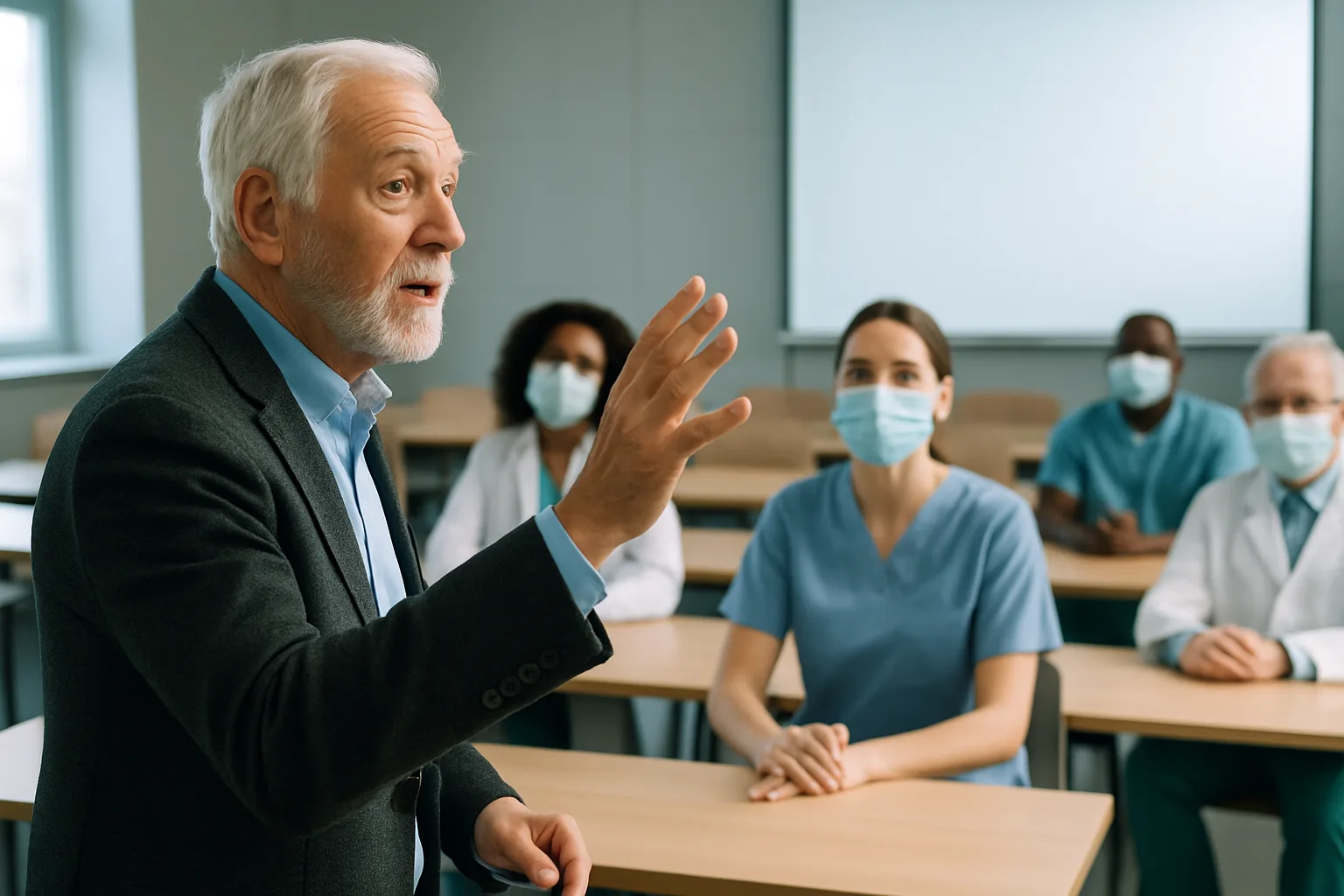
Микротопография 3D‑имплантов и слизистая носа: неожиданный фактор успеха в современной лор‑хирургии
Я случайно выбрал число 73. Это привело к образу клинического…
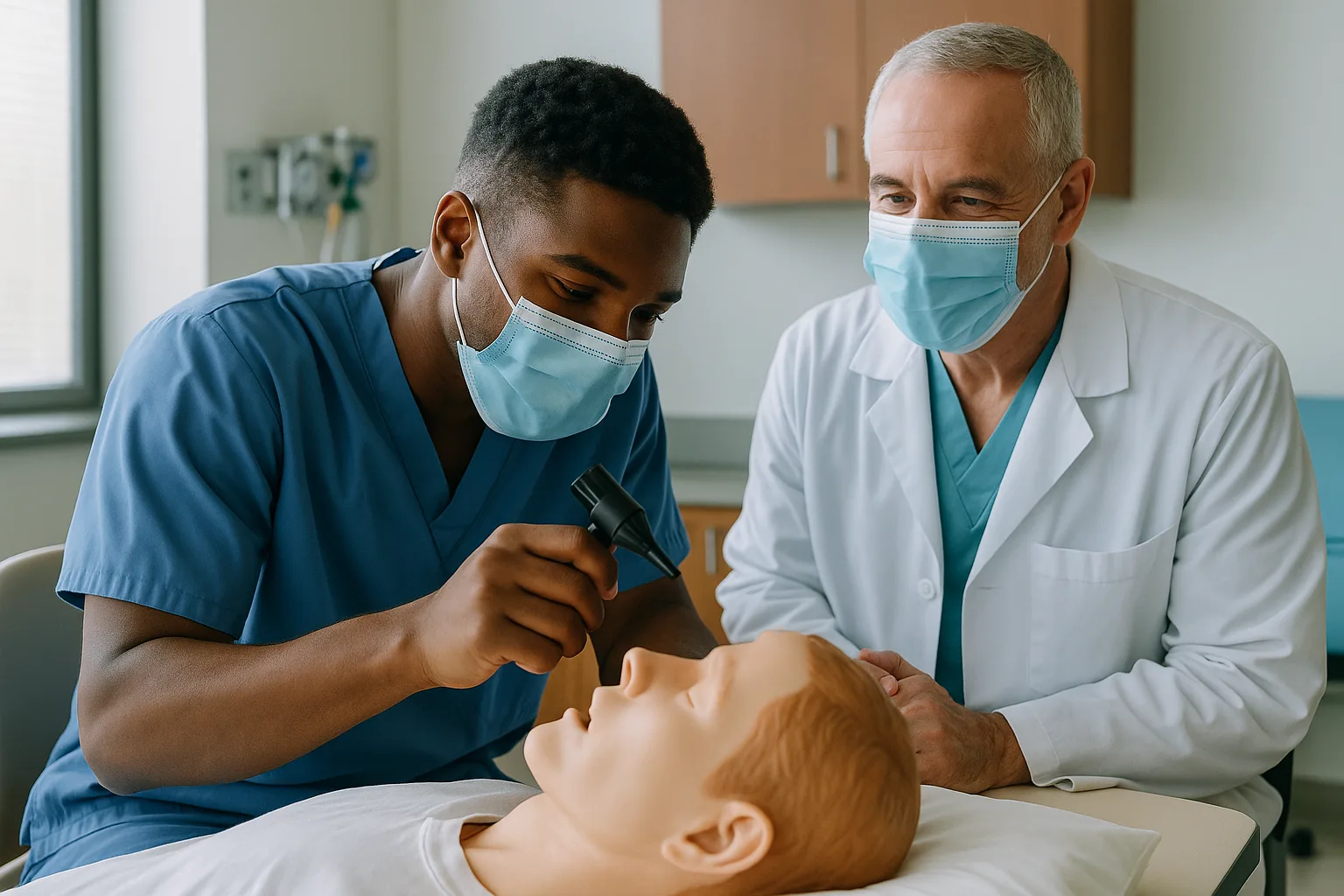
Современные технологии и практики в оториноларингологии: успокаивающая роль акустических устройств для пациентов
В ритме стремительных изменений в медицинской практике оториноларингология продолжает эволюционировать,…

Modern Technologies and Practices in ENT (Otorhinolaryngology) Surgery in Moscow
Introduction Moscow has become a regional center for advanced otorhinolaryngology…